Розумні та безстрашні: Рекомендації для нових мистецьких центрів у Східній, Південно-Східній та Південній Європі
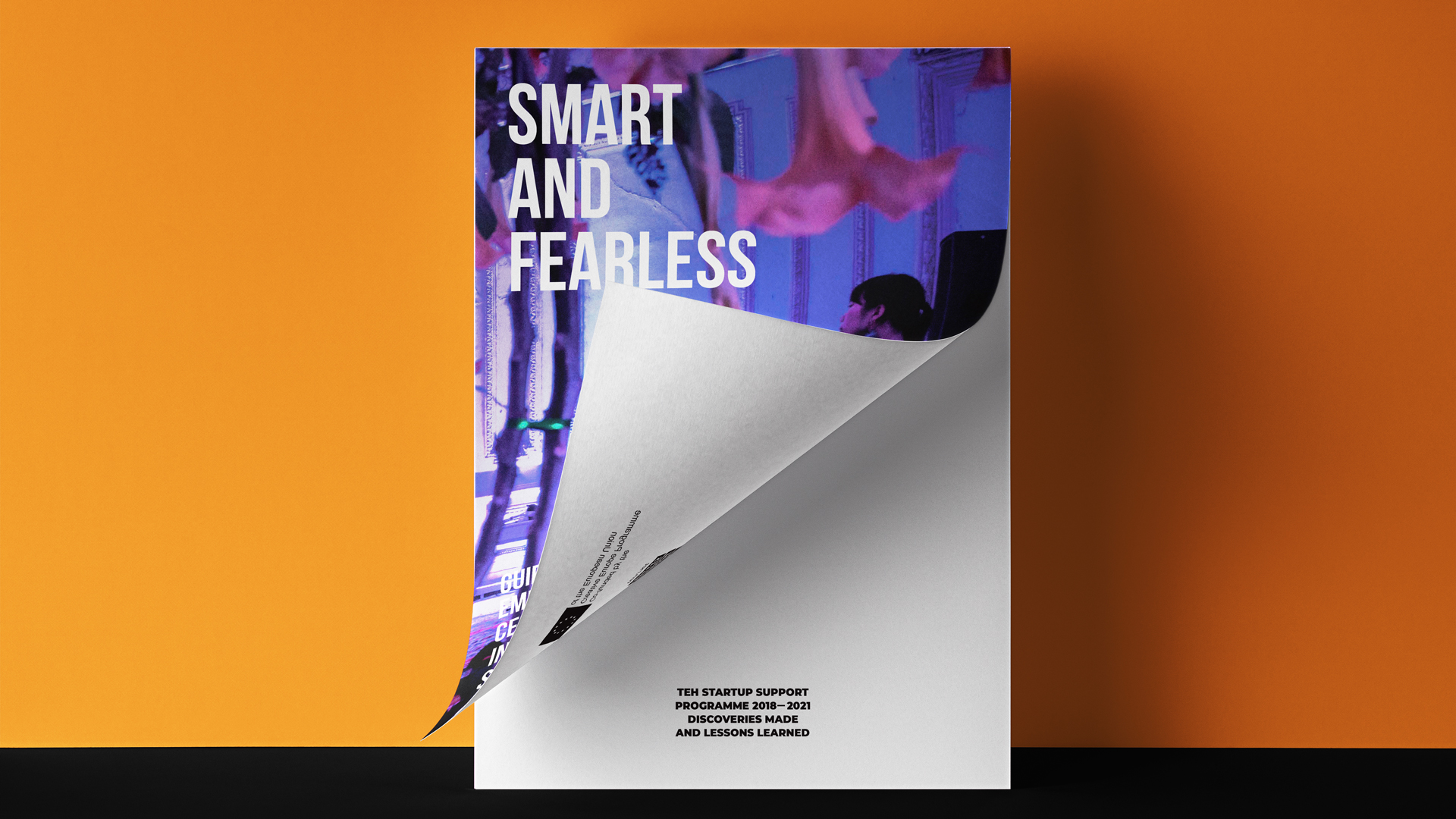
Практичний посібник, створений на основі чотирьох років роботи програми TEH Startup Support Programme (2018–2021), у межах якої четверо менторів безпосередньо працювали з 13 новими культурними центрами у Вірменії, Азербайджані, Білорусі, Греції, Косові, Румунії, Україні, Італії та Португалії. Видання систематизує цей досвід у шести тематичних розділах: мистецьке бачення, розбудова спільноти, організаційні моделі, розвиток аудиторії, переговори з власниками та адвокація. Кожен розділ містить конкретні рекомендації та відверті розповіді про те, що спрацювало, а що ні. П’ять розгорнутих кейсів (Anibar, Communitism, Korpus, Kultura Medialna, Salaam Cinema) показують, як ці виклики проявлялися в конкретних організаціях. Одним із співавторів є Михайло Глубокий, лектор вебінару Побудова міцних міжнародних партнерств, а сам посібник безпосередньо розвиває представлені ним теми формування довіри, довгострокових партнерств та участі в європейських проєктах співпраці.
Посібник торкається тем, наскрізних для всіх чотирьох вебінарів ZMINA:Resilience.
- До вебінару Організації, готові до проєктів дотичний аналіз контексту Східної Європи, який описує операційне середовище, добре знайоме більшості учасників: відсутність довгострокового планування, реактивне управління, невеликі основні команди без чіткого розподілу ролей. Кейс Korpus простежує конкретний перехід від імпровізації на етапі становлення до сталої організаційної структури.
- Для учасників вебінару Основи Впливу: Моніторинг та Оцінка розділ про переговори з органами влади розглядає, чому вплив культурної діяльності складно перевести в цифри і чому цей розрив є одним із найбільш вразливих моментів у роботі як із власниками, так і з донорами.
- До вебінару Фандрайзинг і співпраця з донорами апелює розділ про пошук фінансування — він мапує фандрейзинговий ландшафт у постсоціалістичних країнах: обмежену державну підтримку, рідкісне корпоративне спонсорство, міжнародні фонди як рятівний круг та політичні умови, які можуть заблокувати навіть цей доступ.
Автори: Chris Keulemans, Михайло Глубокий, Ada Arduini, Irena Boljunčić Gracin Видавець: Trans Europe Halles, 2021 | Співфінансовано програмою Creative Europe Доступно на: teh.net
Source: Trans Europe Halles