Креативні бізнес-моделі: аналіз бізнес-моделей культурних центрів мережі Trans Europe Halles
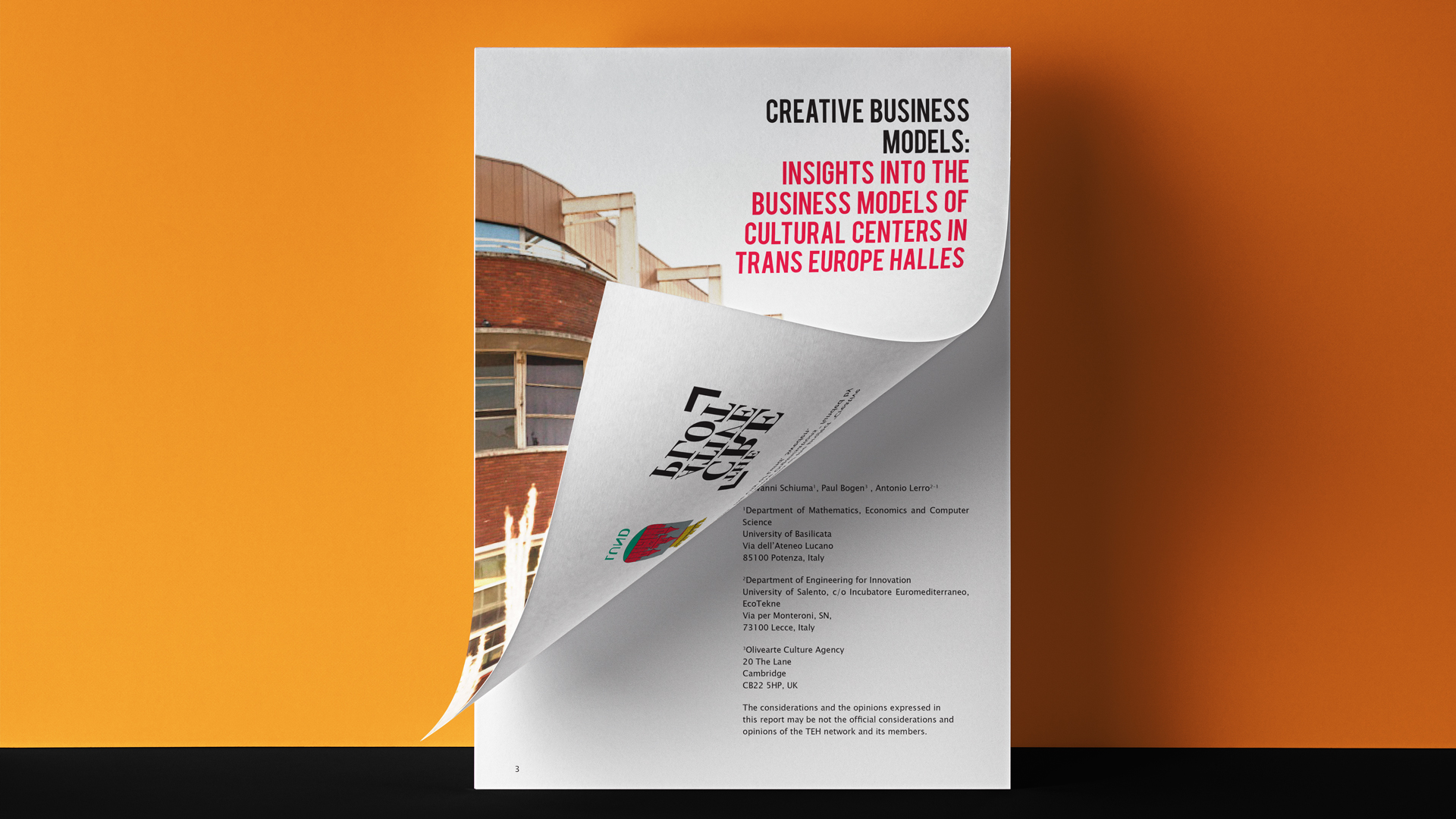
Цей звіт — не навчальний ресурс, а самостійне дослідження. В його основі лежить емпіричне опитування 45 незалежних культурних центрів у 27 європейських країнах, проведене в рамках мережі Trans Europe Halles. Хоча дані датуються 2013–2014 роками, описані в ньому структурні виклики залишаються напрочуд актуальними: відсутність довгострокових планів, надмірна залежність від державного фінансування без фінансових резервів, напруженість між місією та фінансовою сталістю, а також відсутність змістовного вимірювання результативності. Читання цього звіту разом із переглядом вебінарів ZMINA:Resilience дає те, що практичні гіди рідко пропонують — цифри, закономірності та реальні історії організацій, які показують, що йдеться не про окремі невдачі, а про тенденції, характерні для всього сектору.
- Для учасників вебінару Організації, готові до проєктів звіт доповнює кілька ключових тез Міхала Гладкого емпіричними даними. Дані про джерела доходу — оренда приміщень становить 34–45% зароблюваного доходу, кейтеринг 21–24%, продаж квитків 20–31%, а державне фінансування покриває в середньому лише 20% загального доходу — конкретизують його тезу про фінансову спроможність як передумову готовності до реалізації проєктів. У заключному аналізі п’яти пілотних організацій з’ясувалося, що жодна з них не мала узгодженої довгострокової стратегії, більшість постійно реагувала на поточні кризи замість того, щоб планувати наперед, а чіткість у питаннях лідерства була єдиним визначальним чинником успіху чи невдачі організації.
- Для учасників вебінару Фандрайзинг і співпраця з донорами аналіз диверсифікації доходів у різних регіонах Європи, висновок про те, що 65% центрів не мають грошових резервів, а також розділ про пошук нових джерел доходу, зокрема оренду приміщень, моделі кейтерингу, членські програми та міжсекторальні партнерства, дають реальний контекст для стратегічного підходу до фандрайзингу, представленого Файруз Тамімі.
Найбільш практично цінними є п’ять кейсів: Vyrsodepseio (Афіни), Mains d’Œuvres (Париж), Moritzbastei (Лейпциг), Mejeriet (Лунд) та Kaapelitehdas (Гельсінкі). Кожна організація по-своєму розповідає одну й ту саму історію: настає момент, коли звичні способи роботи перестають працювати і стратегічне переосмислення стало неминучим. For Vyrsodepseio, operating without any state funding in post-crisis Greece, Для Vyrsodepseio, яка працює без жодного державного фінансування в посткризовій Греції, відповіддю став перехід до міжнародних партнерств і європейського фінансування.
Опубліковано: Trans Europe Halles | Проєкт: Creative Business Models for Creative Organisations, за фінансової підтримки Framtidens Lund та міста Лунд, Швеція | Доступний на: teh.net
Source: Trans Europe Halles