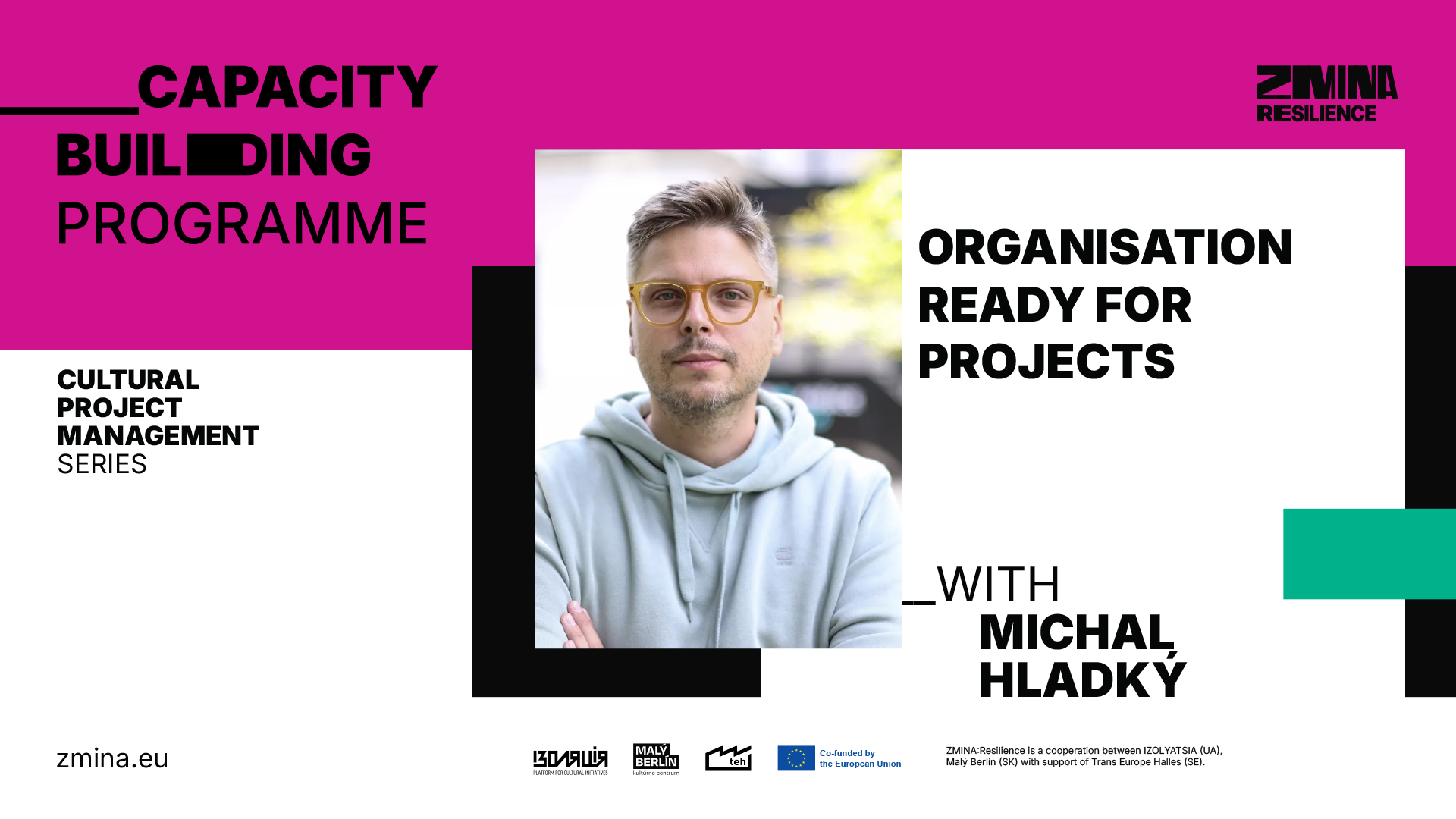
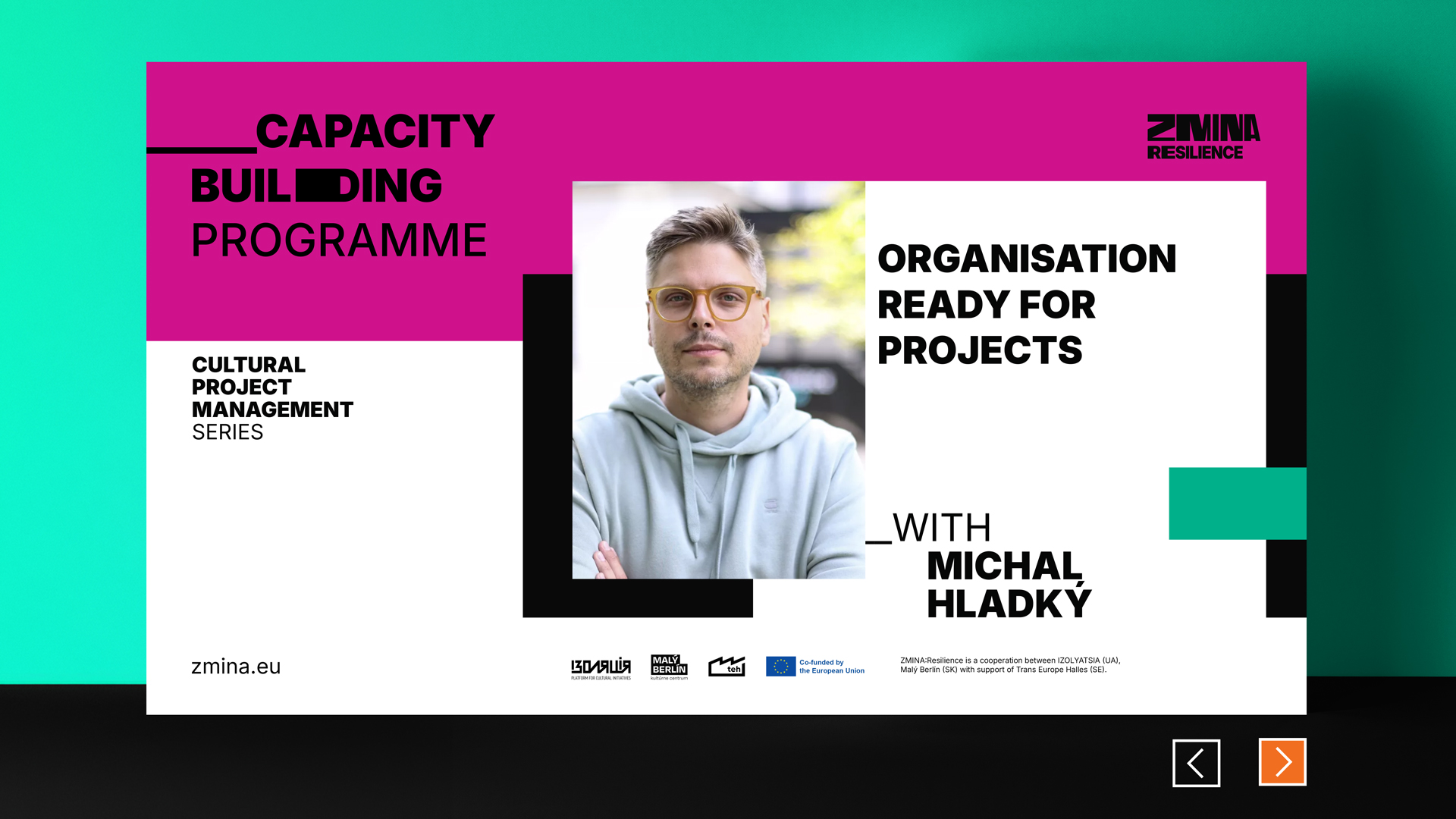
Організації, готові до проєктів | ZMINA:Resilience Нарощування потенціалу. Вебінар #1
Цілі
Цей вебінар з нарощування потенціалу було розроблено з метою надати культурним організаціям ґрунтовне та реалістичне розуміння того, що насправді потрібно для роботи з проєктами, що фінансуються ЄС, — ще до подання заявки. Замість того щоб зосереджуватися на технічних аспектах подачі заявок, захід розглянув глибші організаційні умови, які визначають, чи зміцнить проєкт організацію, чи перевантажить її.
Захід мав на меті допомогти учасникам:
- Зрозуміти принципову відмінність між управлінням організацією та реалізацією проєкту, а також чому ототожнення цих двох понять призводить до стратегічного дрейфу та вигорання
- Визначити мінімальні умови готовності за п'ятьма ключовими напрямами розвитку, яким організація має відповідати перед тим, як претендувати на фінансування ЄС
- Застосовувати структурований підхід до ухвалення рішення про участь або відмову від участі (go/no-go) під час оцінки можливостей фінансування
- Аналізувати конкурси ЄС, виходячи з логіки політик і пріоритетів Європейської комісії, а не формувати заявки лише на основі переліку запланованих заходів
- Розглядати мережі та міжнародне партнерство як структурний довгостроковий капітал, а не як ситуативні контакти
- Розробляти проєкти з урахуванням їхнього довгострокового впливу, розглядаючи їх як інституційні інвестиції, що забезпечують сталі зміни в управлінні, компетентностях і партнерських відносинах.
Спікер
Міхал Гладкий(Michal Hladký) — директор EIT Culture & Creativity East, одного із шести регіональних хабів Спільноти знань та інновацій (KIC) EIT Culture & Creativity, що охоплює Словаччину та Україну. На цій посаді він очолює хаб, діяльність якого спрямована на розвиток інноваційного потенціалу культурного та креативного секторів у регіоні.
Раніше понад десять років він обіймав посаду директора Creative Industry Košice, де працював з 2008 року. Протягом цього часу він відіграв ключову роль у підготовці та реалізації проєкту Košice – European Capital of Culture 2013, а також зробив вагомий внесок у здобуття містом статусу Креативного міста медіамистецтв ЮНЕСКО у 2017 році. Він також був одним із засновників European Creative Business Network (ECBN) — загальноєвропейської платформи підтримки організацій культурних і креативних індустрій, яка згодом отримала назву Creative FED.
Упродовж майже двадцяти років Міхал працював із широким спектром європейських програм, зокрема European Capital of Culture (ECoC), Creative Europe, Interreg, Horizon Europe, URBACT, UIA/EUI Innovative Actions, I3, Erasmus+ та EIT, виконуючи ролі автора проєктів, координатора консорціумів, менеджера з реалізації та стратегічного радника. Він розробляв і впроваджував масштабні міжнародні проєкти, спрямовані на нарощування потенціалу організацій, міський розвиток, розвиток інноваційних екосистем і міжнародне співробітництво. Його підхід ґрунтується на прагненні перетворити рамки фінансування ЄС на реалістичні організаційні практики та довгострокову інституційну цінність.
Зміст
Вебінар був побудований навколо п'яти тематичних блоків, що поєднали теорію з практичними вправами та кейсами з досвіду лектора.
- Організація vs. Проєкт
- Готовність до реалізації проєктів
- Модель ухвалення рішень Go / No-Go
- Професійні зв'язки як стратегічний капітал
- Довгостроковий вплив
Вебінар відбувся 18 лютого 2026 року англійською мовою.
Related Resources
Посібник проєкту C'man з культурного менеджменту
Pro Progressione (HU), Central European University (AT), The Green Room (FR), and Kea European Affairs (BE)
C'man project (Erasmus+, 2021 – 2023)
Open →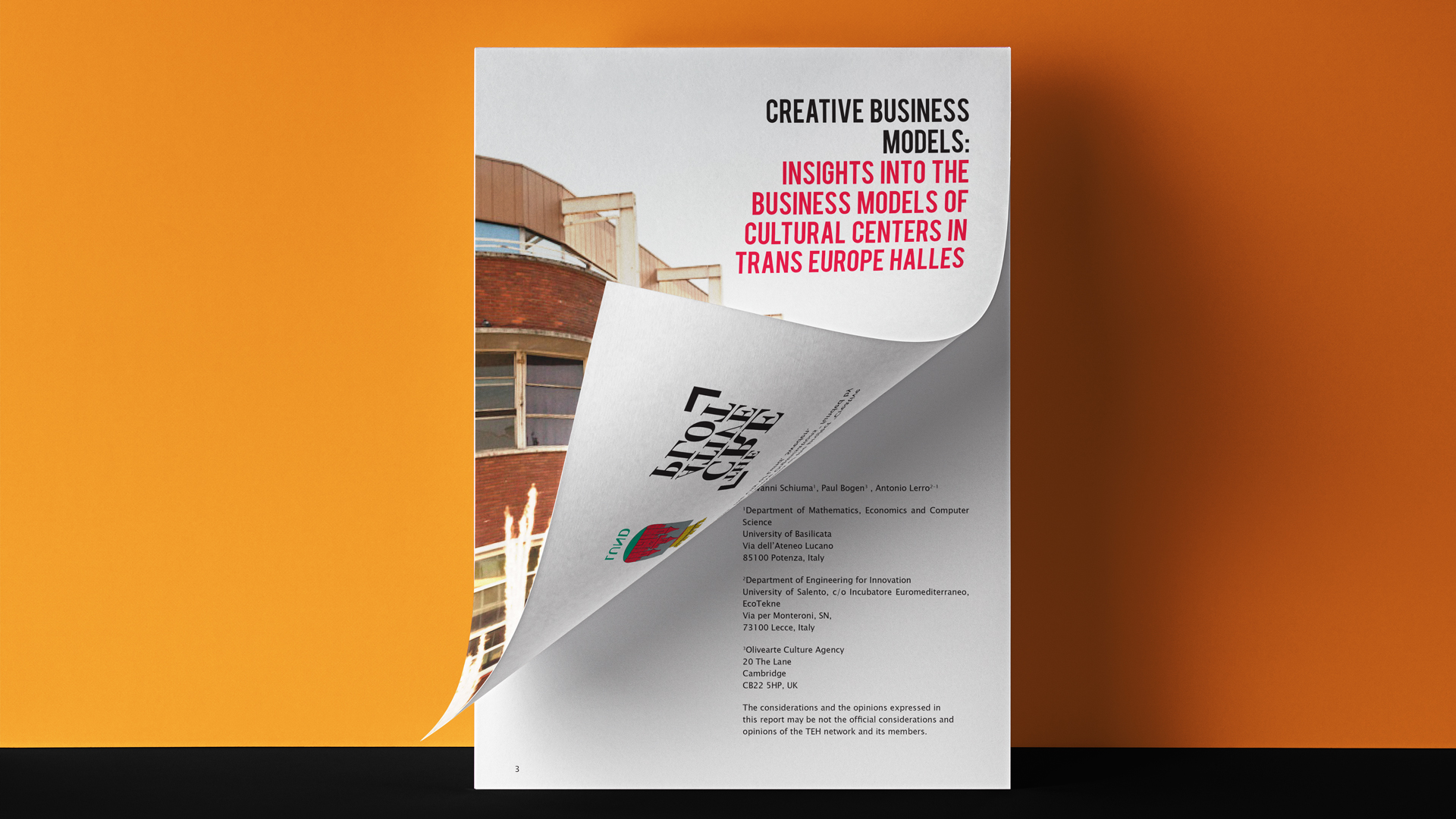
Креативні бізнес-моделі: аналіз бізнес-моделей культурних центрів мережі Trans Europe Halles
Trans Europe Halles
Open →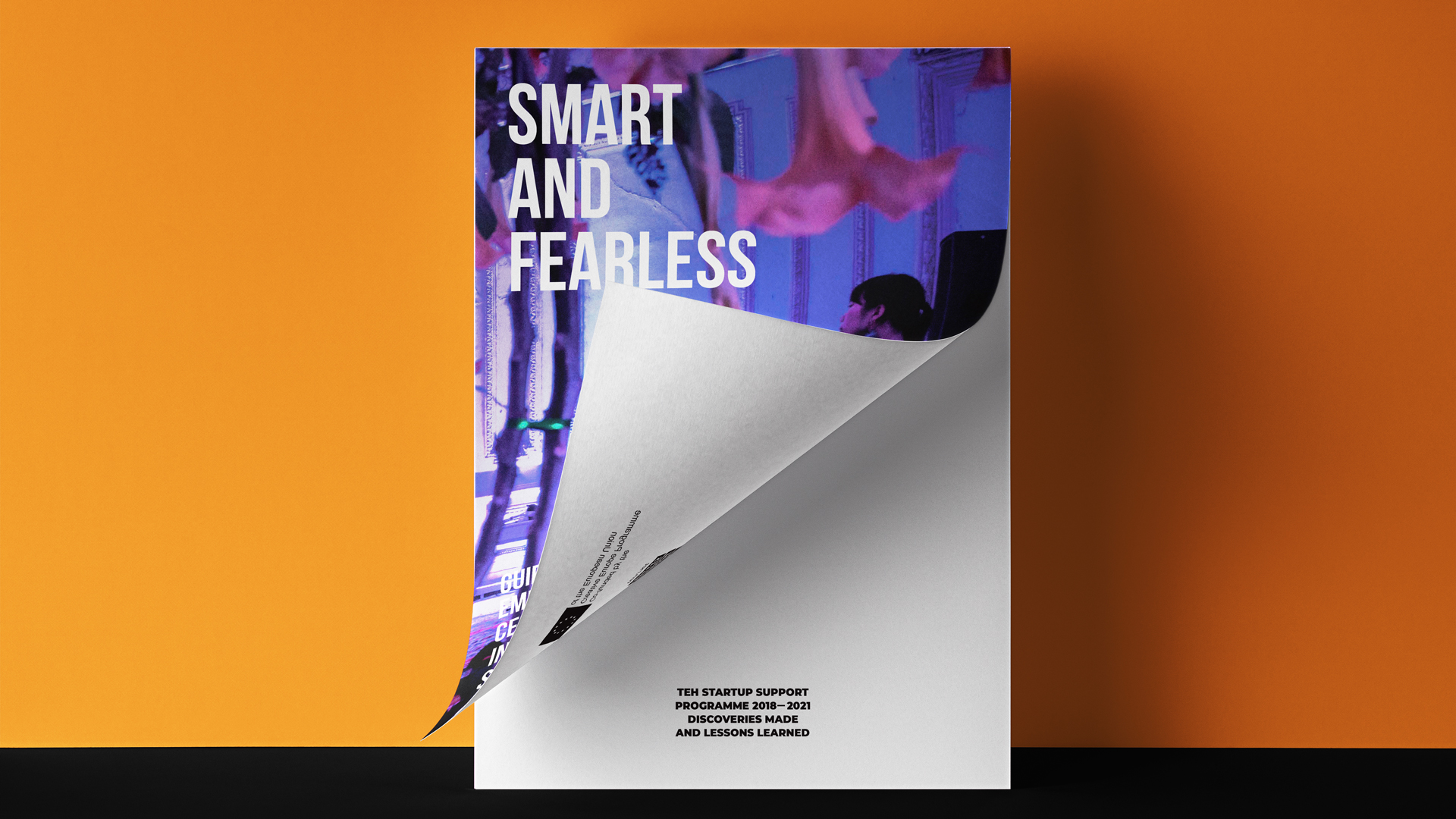
Розумні та безстрашні: Рекомендації для нових мистецьких центрів у Східній, Південно-Східній та Південній Європі
Trans Europe Halles
Open →