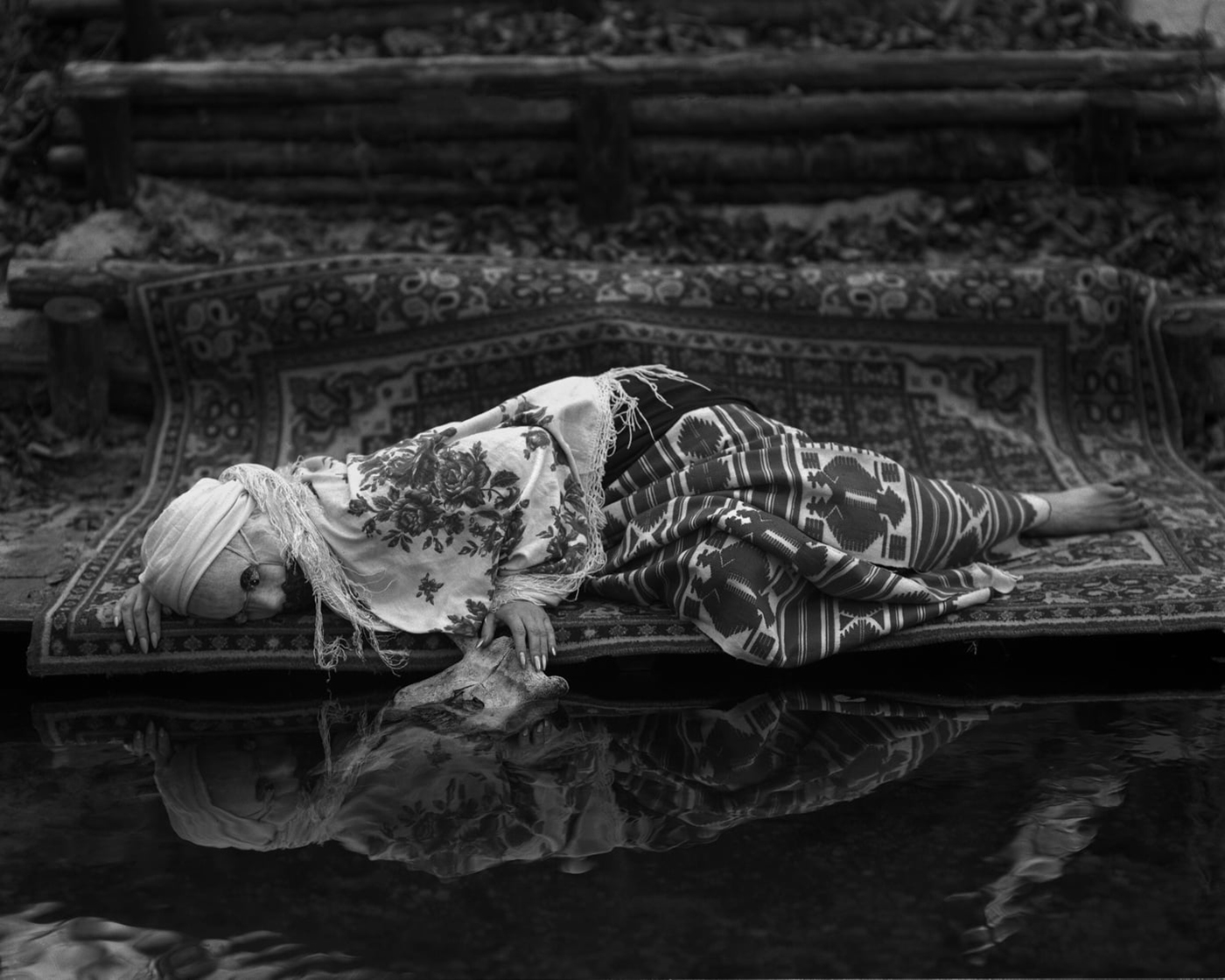
Credit: Andrii Kotliarchuk
Art as a Form of Resilience: Unique Works Are Being Created on the Ukrainian Front
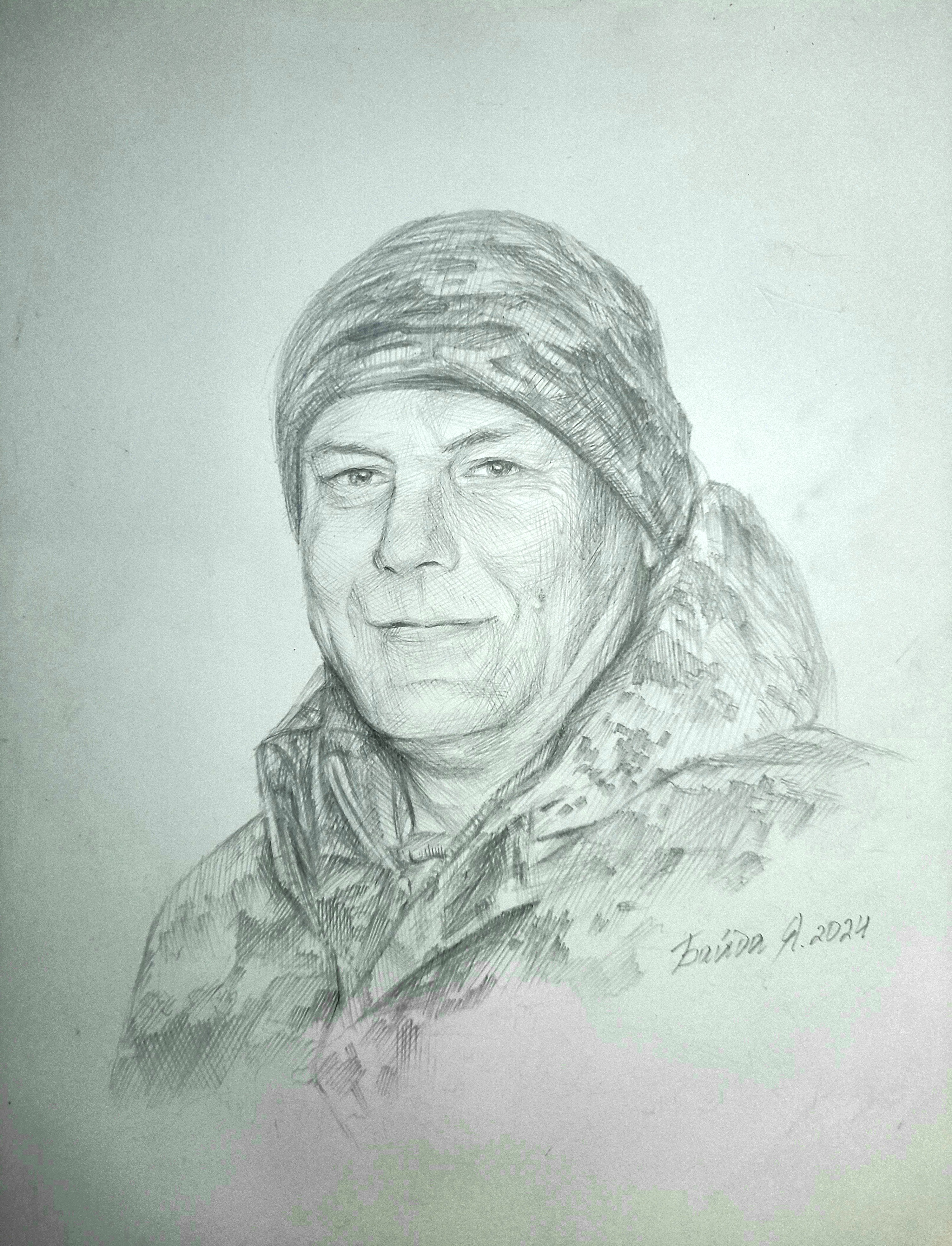
There is no doubt that Dmytro Chulkov is a person who demonstrates a side to war that many people either did not know existed or, perhaps more accurately, chose to overlook. A participant in the full-scale war in Ukraine, he is also an artist who created his works, quite literally, in the trenches.
Prior to joining the army, he was a successful architect who ran his own architectural studio. Like many of his friends and colleagues in the visual arts, design, music, and photography, he decided to volunteer for the Armed Forces of Ukraine after the outbreak of the full-scale invasion.
An Idea Born During Wartime
Even during his military service, he always kept with him the tools that reminded him of his civilian life — a sketchbook, pencils, and a mobile phone ready to record thoughts, ideas, and inspiration. As photography at military positions is prohibited for security reasons, drawings, short texts, and notes became a way to document the reality of war from his own perspective, directly from the front line. At the same time, they also served as a form of psychological relief in extremely demanding conditions.
“After several months of service, I realised that I was by no means the only one using art as a method of psychological adaptation and self-expression. In my platoon, for example, there is an artist and drawing teacher who spends all his free time creating graphic sketches of incredible artistic and emotional power,” says Dmytro Chulkov.
Later, together with activist Liliia Komolova from the city of Kremenchuk, he founded the non-governmental organisation Bold in Action (Завзяті діяти), which supports various units of the Armed Forces of Ukraine by supplying materials and equipment from abroad. Through their contact with soldiers from different military units, they came to understand that creativity within the military environment was not an isolated phenomenon.
They discovered that soldiers were producing drawings, texts, musical compositions, and other forms of artistic expression that often reached a remarkably high artistic level and were far more than simply a way to pass the time between assignments. The effort to document and explore this phenomenon, as well as to create opportunities to present it both in Ukraine and abroad, eventually led to the creation of the Trajectory of Integration project.
“The main goal of the project is to support fellow soldiers and veterans from the creative sector, to give them the opportunity to continue creating, preserve their inner resilience, and develop their artistic practice even during wartime,” Chulkov explains.
A Unique Phenomenon
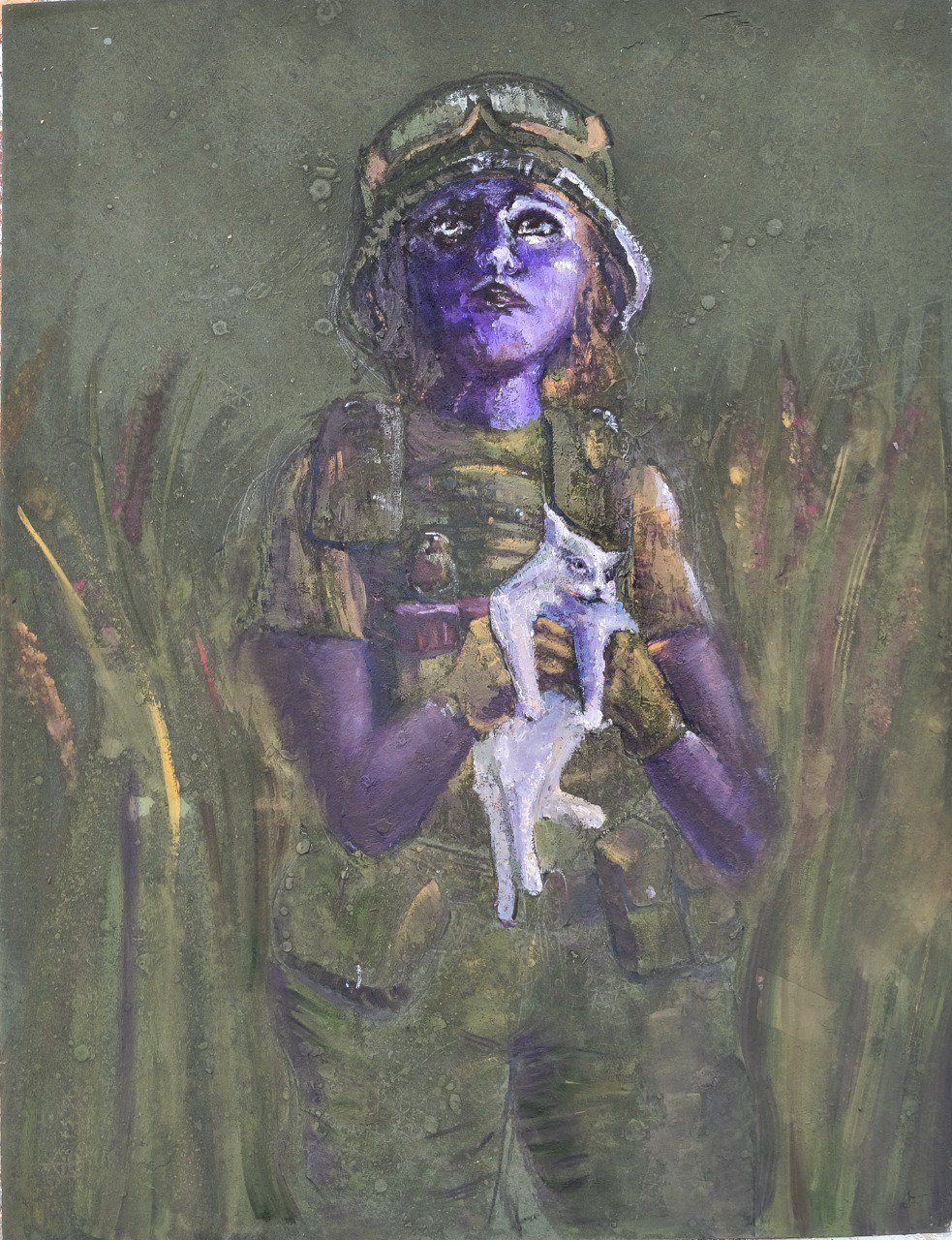
According to the war veteran and architect, this phenomenon has no equivalent in contemporary conflicts.
“I am not aware of any other modern army or war where such a large number of professional artists serve among the soldiers and where such a substantial amount of genuinely high-quality artwork is being created. This is not simply amateur art or a way to pass the time.”
In his view, the works created by soldiers also raises broader questions about the relationship between art and war. Traditionally, these have been perceived as opposites, yet the Ukrainian experience has unexpectedly brought them together.
According to the project’s creators, this connection has deeper historical roots. One example is the image of the Cossack Mamai, who is typically portrayed as a warrior carrying both a weapon and a bandura, a traditional musical instrument. A similar parallel can be found in the tradition of Japanese samurai, who were devoted to poetry and calligraphy.
“For us, this project is not only about art. It is about people — brothers and sisters in arms, resilience, and mutual support born in the hardest of times. It is also about modern warfare itself, not only about the front line and weapons, but about the experience of an entire generation of Ukrainians who are forced to fight, endure loss, preserve their humanity, and continue creating at the same time,” Dmytro explains.
An important aspect of the project is also the issue of psychological rehabilitation for soldiers after traumatic experiences at the front. Chulkov believes that creative activities can play a significant role in processing wartime experiences.
“In my opinion, art therapy is one of the most effective forms of psychological rehabilitation for soldiers. It may sound somewhat emotional or insufficiently academic, but Ukrainians are generally very active and action-oriented people. This becomes especially visible in the military environment,” says Dmytro Chulkov.
As he explains, there is an unwritten rule among soldiers that prolonged inactivity may signal psychological exhaustion or an underlying problem. In an environment where everyone depends on one another, soldiers pay attention when someone stops carrying out ordinary tasks such as maintaining equipment, cleaning shared spaces, making repairs, or engaging in meaningful activities. Changes in such behaviour may indicate a serious issue, so they require immediate attention, as emotional instability in combat conditions should never be ignored.
In this context, creativity is not merely an artistic expression. Rather, it can become a way of organising one’s thoughts and processing emotions.
“Within the Trajectory of Integration project, we speak about creativity as a space for returning to oneself. We focus on people for whom art was already an important part of life before the war or became an essential inner need during military service. These are stories about how creativity helps preserve inner integrity even under the most difficult conditions,” the active-duty serviceman explains.
Not Everyone Wants to Understand
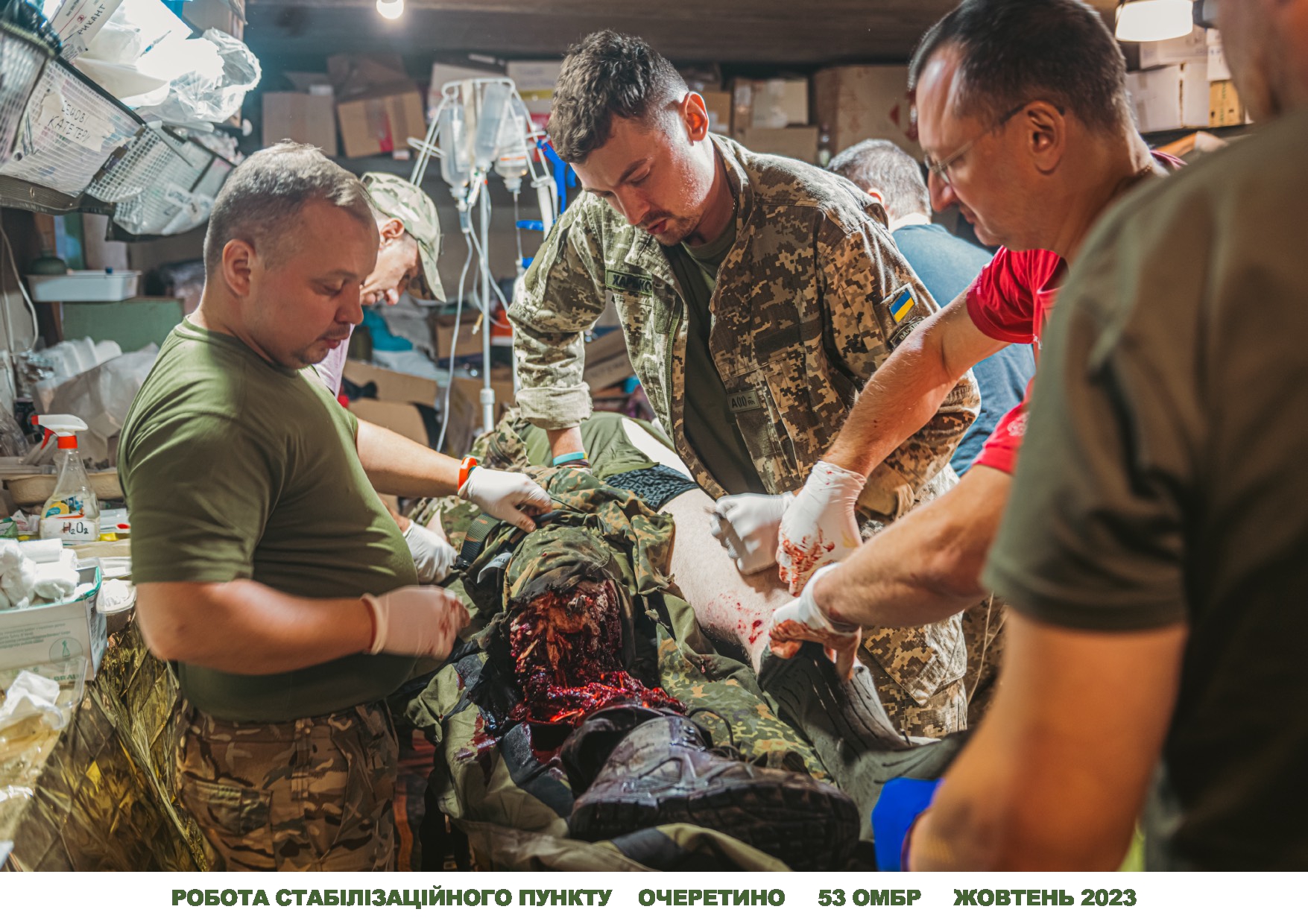
The soldiers' creative work, however, has not generated exclusively positive reactions. The project’s organizers have also faced criticism and doubts about whether it is appropriate to devote attention to art created during an ongoing conflict.
“One of the most common comments was: How can someone fight in a war and at the same time have the time to write, draw, or create art? Sometimes there was an underlying suggestion that creativity somehow indicated insufficient commitment to military service or a frivolous attitude toward the war,” Chulkov explains.
Another criticism was the belief that such activities should wait until after the war has ended.“Some people argued that we should first win the war and only then think about culture or exhibitions,” he adds.
Security concerns also emerged as an important issue. Publishing soldiers’ work could reveal their identities or their affiliation with specific military units, which poses a risk. For this reason, the project organisers decided to revise their original concept.
Rather than developing a centralised digital platform, the project team gradually shifted its focus towards safer and more targeted forms of presentation. The NGO members decided to prioritise cooperation with galleries and cultural institutions, organising exhibitions and public events, and developing international partnerships.
According to the project team, the question of whether it is appropriate to discuss art while the war is still ongoing is closely linked to the role culture plays during wartime. They argue that international cooperation and the presence of Ukrainian culture abroad are essential not only for showcasing the creative work of soldiers but also for strengthening international awareness of, and support for, Ukraine.
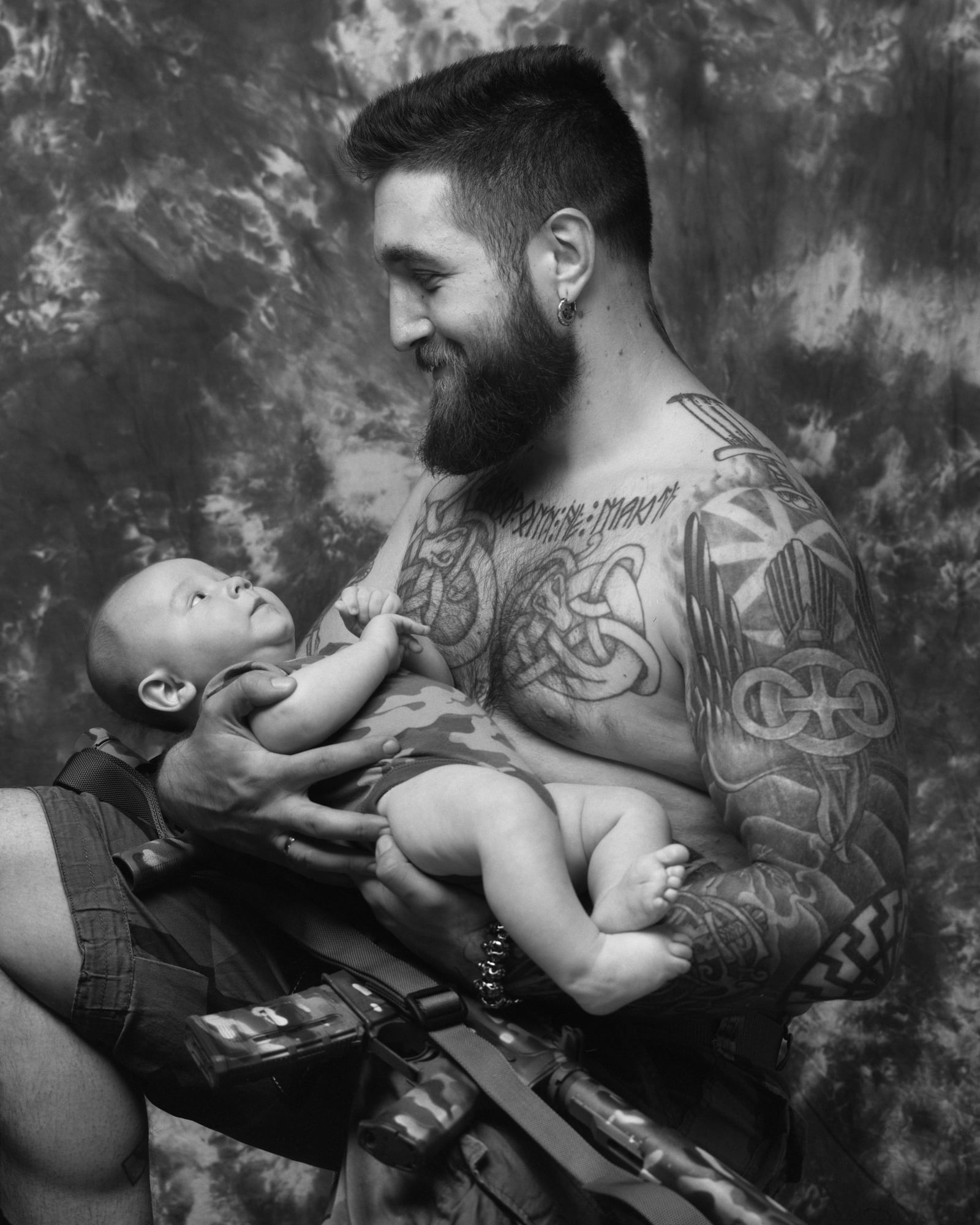
“Most Ukrainians clearly understand that without international support, it would be much more difficult for Ukraine to endure this war. At the same time, alongside the military front, there is also a cultural front,” says Chulkov.
Russian aggression is not only directed at Ukraine’s territorial integrity and statehood, but also against its cultural identity.
“It is no coincidence that Russian propaganda employs the rhetoric of so-called denazification, which essentially denies Ukraine the right to its own cultural and historical identity,” he adds.
Stronger Connections with Europe
During the implementation of the project supported by ZMINA:Resilience programme in its seed funding open call, the team successfully created a database of approximately one hundred artists currently serving in the Armed Forces of Ukraine or who are war veterans. The organisers maintain regular contact with several dozen of these artists and are preparing presentations of works by eight visual artists in countries participating in the Creative Europe programme.
Gradually, however, it became apparent that traditional models of cultural cooperation encounter specific challenges related to the ongoing war. Soldiers have limited time and may be relocated, or assigned to combat duties at short notice, making it difficult to plan long-term residencies or joint artistic projects.
In response, the SPILNO format (“spilno” in Ukrainian means “together”) was developed to enable more flexible connections between Ukrainian military artists and creators from abroad.
“These are laboratories of rapid interaction between artists working in similar genres from different countries,” explains Chulkov.
The format combines short exhibition presentations that provide basic context about the artists and their work, collaborative creative activities to build professional relationships, and public events that involve local communities in the dialogue.
The ZMINA:Resilience programme also played an important role in shaping the project’s current form. The educational and consultancy elements of this programme enabled the Bold in Action organisation to reconsider their original intention of creating an online platform for presenting military art.
Discussions with mentors, curators, cultural workers, psychologists, soldiers, and veterans demonstrated that digitisation and the collection of artworks represent only one part of a much broader issue. As a result, the project gradually evolved into a concept of long-term international cooperation involving research, exhibitions, public discussions, and professional networking among artists.
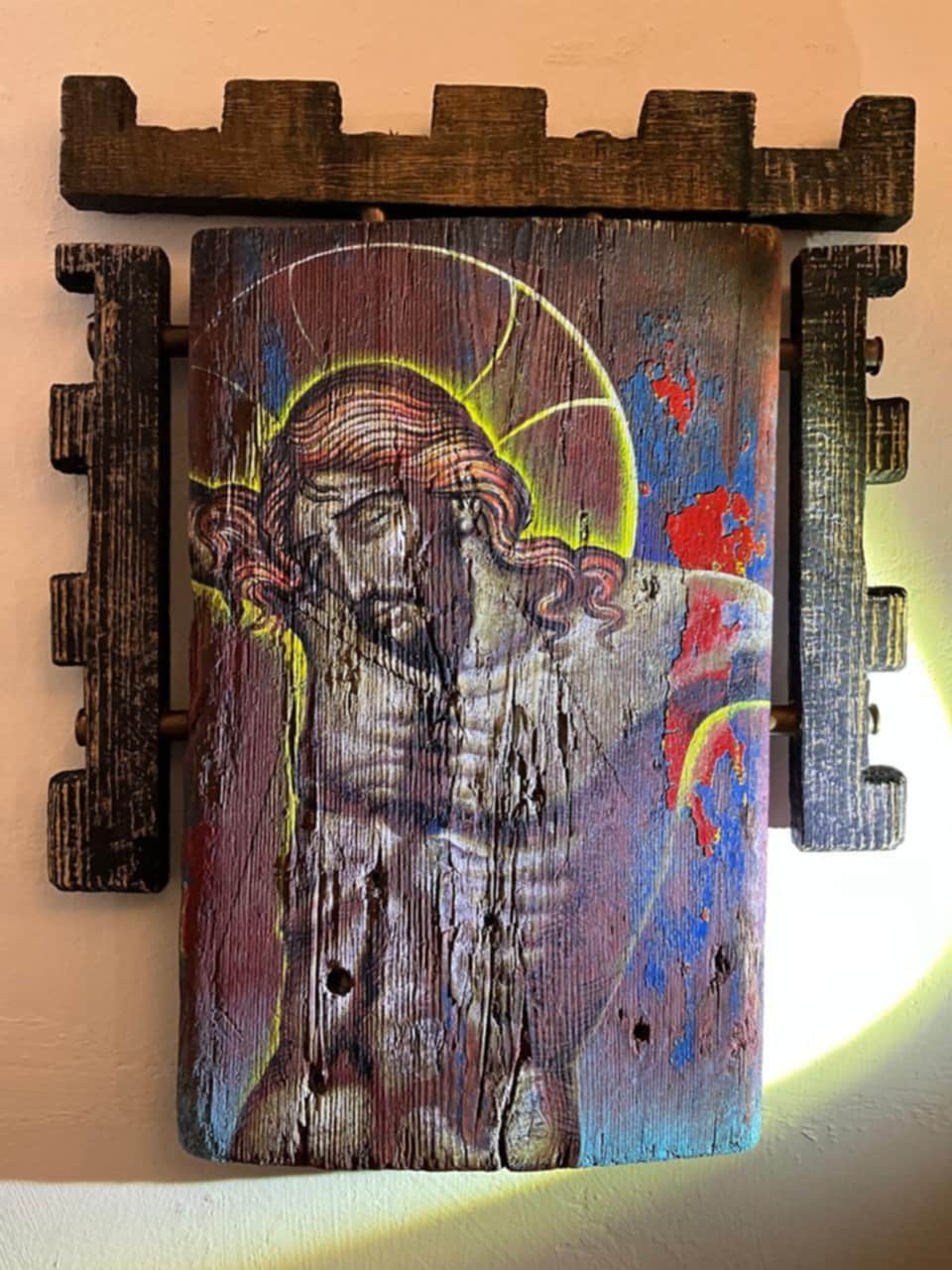
“The results exceeded our expectations. The project has generated very strong interest from international partners, particularly cultural institutions, local governments, and Ukrainian diaspora communities across Europe. The most common response we hear is: This is extremely important. Please continue to promote the work of Ukrainian military artists — we are ready to support you,” says Chulkov.
According to the organisers, the level of interest shown by international partners confirms that this is not merely a temporary initiative responding to current circumstances, but rather a subject with significant long-term potential.
In the next stages, they plan to continue researching the phenomenon of military creativity, expand cooperation with European cultural institutions, and develop new initiatives focused on the artistic legacy of soldiers who lost their lives in the war, as well as on the creative work of family members whose lives have been profoundly affected by the conflict.
Future plans also include the further development of the SPILNO format and participation in additional international cooperation programmes.
“We no longer see this as a separate initiative, but rather as the beginning of a broad and long-term process of integrating the works of Ukrainian military artists into the international cultural context,” Chulkov concludes.
Author: Ján Janočko
ZMINA: Resilience is a cooperation between IZOLYATSIA (UA), Malý Berlín (SK) with support of Trans Europe Halles (SE). Co-funded by the European Union. Views and opinions expressed are however those of the author(s) only and do not necessarily reflect those of the European Union or European Education and Culture Executive Agency (EACEA). Neither the European Union nor the granting authority can be held responsible for them.