Notes of Hope: Ukrainian Youth, War, and the Future They’re Composing Together
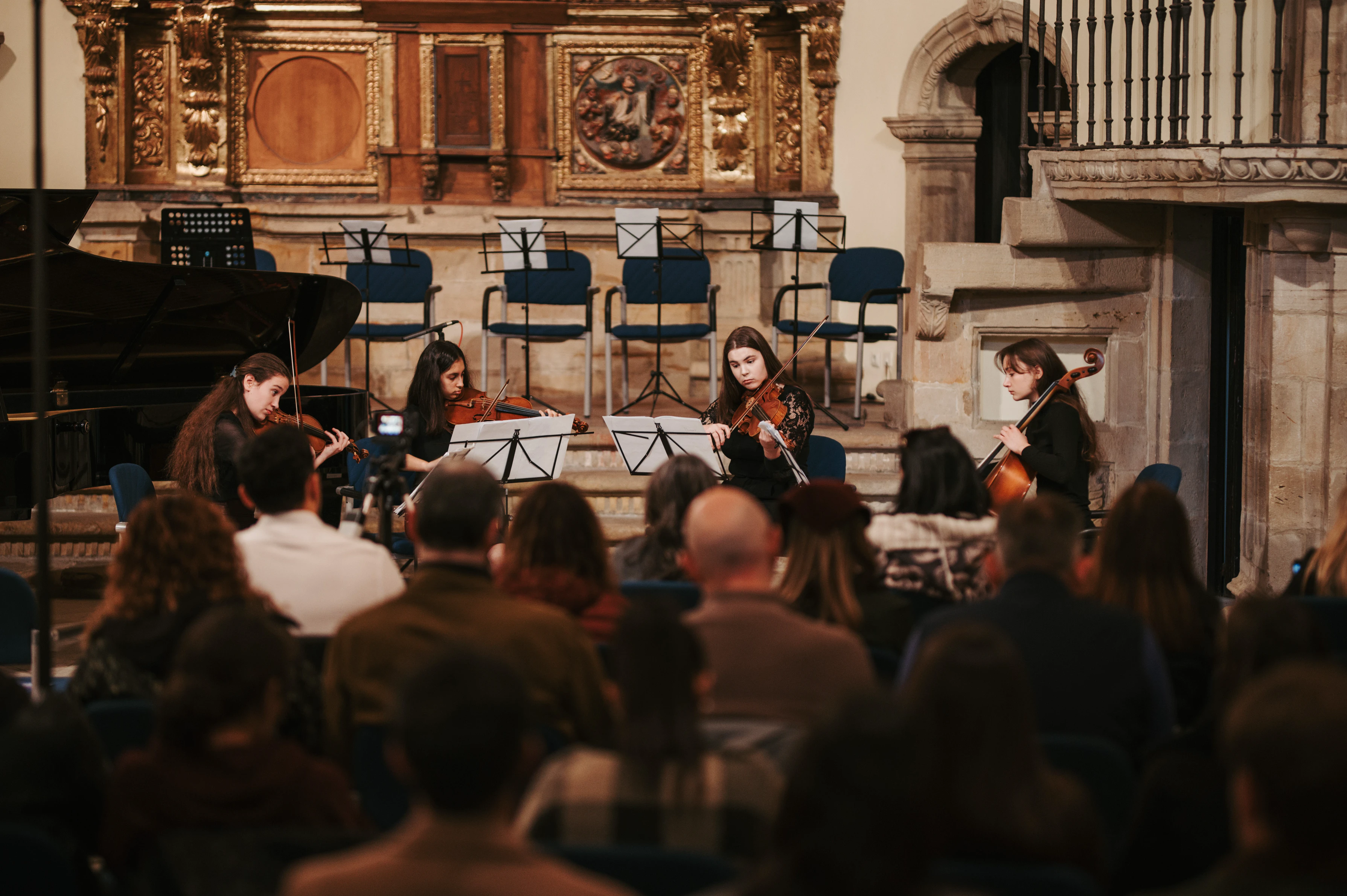
When the bombs fall, the violins still rise. In the face of war, young Ukrainian musicians are reclaiming strength, connection, and identity—through chamber music. The YsOU Chamber Music Lab project, launched in 2024, brought together artists from Ukraine, Germany, and Spain to nurture talent, process trauma, and build cultural bridges through sound.
We spoke with Sofiia Mushtai of the Youth Symphony Orchestra of Ukraine and Eva Álvarez Peñalba from CREAIO about music’s power to heal and connect in the most uncertain of times.
How did the idea for YsOU Chamber Music Lab come about? What was the main motivation behind its creation?
The idea emerged from the need to support young Ukrainian musicians affected by the war—both emotionally and professionally. Music has always been a tool for resilience, and we wanted to create a space where they could reconnect with their art, find strength in collaboration, and share their culture with international audiences.
The project combines musical excellence with cultural rebuilding. How do these two aspects interact in the context of the war in Ukraine?
War disrupts both cultural identity and artistic expression. By focusing on chamber music, we offer musicians a high-level artistic experience while also helping them to reconnect with their cultural roots. This balance allows them to grow not only as artists but also as cultural ambassadors, fostering greater international understanding.
The project fosters cross-cultural collaboration between Ukraine, Spain, and Germany. Why were these specific countries chosen as partners?
Spain, Germany, and Ukraine share strong musical traditions and have existing connections with Ukrainian cultural projects. Both Germany and Spain have also been active in supporting Ukrainian artists and displaced individuals, making them natural and reliable partners for this initiative.
What criteria were used to select the musicians participating in the programme?
The Ukrainian partner of the project was the Youth Symphony Orchestra of Ukraine. Prior to the launch, we conducted an online audition in which orchestra members submitted recordings of their performances. Participants were selected based on their musical proficiency, motivation, and potential to benefit from the programme. This selection process helped us evaluate their technical and artistic abilities, ensuring a consistently high level of musicianship throughout the project.
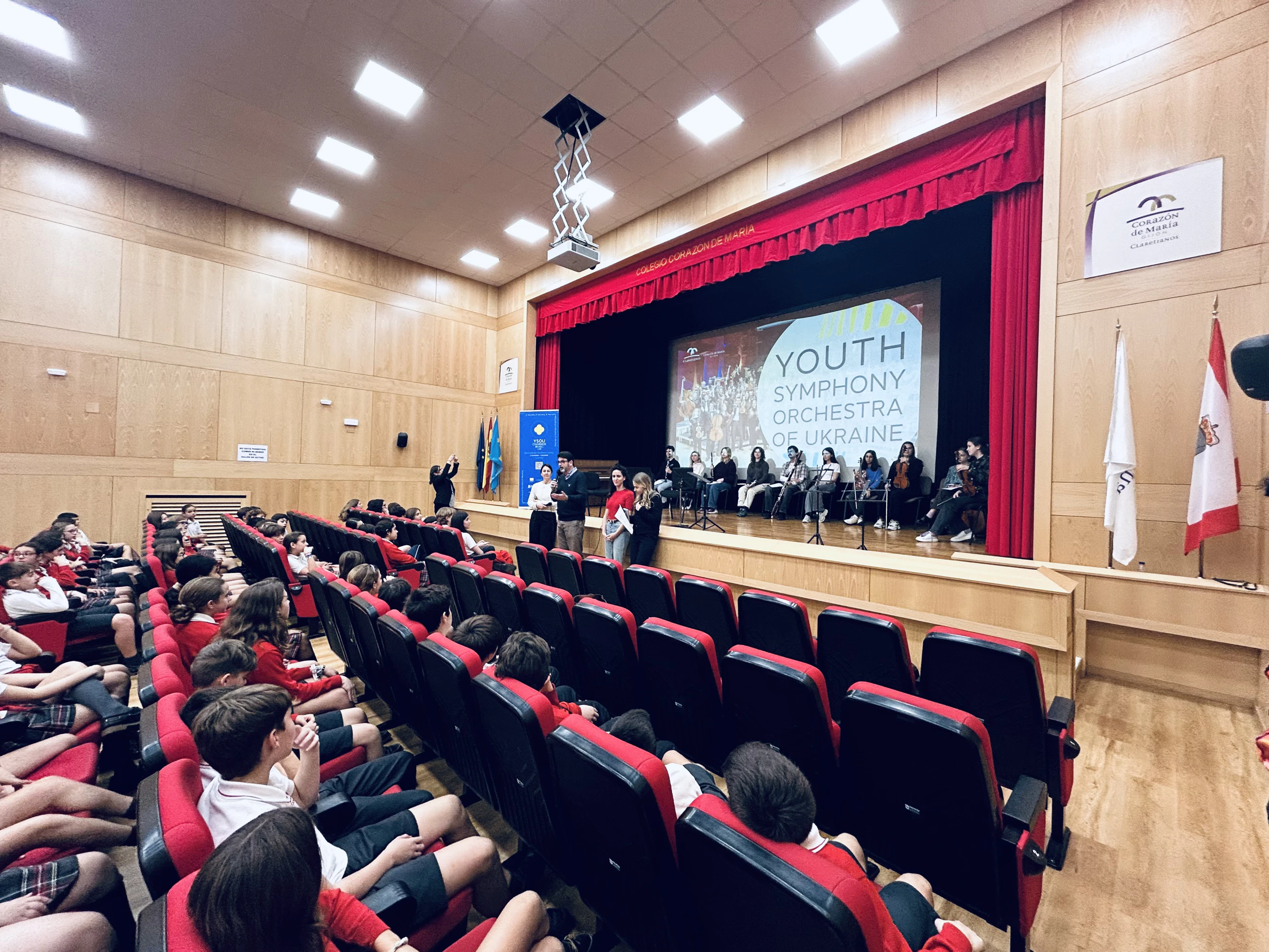
The project includes masterclasses led by renowned European musicians. What skills and knowledge did you aim to pass on to the participants?
The masterclasses focused not only on musical excellence but also on resilience, incorporating music therapy workshops into the programme. Participants enhanced their technical and interpretative skills, while also learning how music can serve as a powerful tool for emotional expression and psychological well-being. Through these sessions, the young musicians developed greater artistic confidence, improved cross-cultural collaboration skills, and gained a deeper understanding of the healing power of music.
In addition, a key aspect of the programme was the development of ensemble playing skills. Participants learned to listen attentively to one another, to respond to musical nuances in real time, and to communicate effectively within a group. These sessions fostered a deeper sense of musical dialogue, helping the musicians refine their ability to perform in both chamber and orchestral settings with increased sensitivity and cohesion.
One of the key events was the premiere of two chamber music pieces by Ukrainian composers. Could you tell us more about these compositions and how they reflect the theme of war?
The project featured the premiere of a piece composed by a young Spanish artist specifically for the Youth Symphony Orchestra of Ukraine. Inspired by Ukrainian folklore, it blends traditional motifs with contemporary elements, symbolising the country’s historical resilience and its present-day struggle.
Additionally, in Germany, the chamber music academy hosted the premiere of Nocturne au Calme de la Nuit by Nazariy Annyuk—a Ukrainian-born violinist, violist, and composer currently studying in Spain. Written for wind quintet, the piece allowed for a broader participation among the musicians. Its nocturnal, introspective character conveys a profound sense of longing and uncertainty, mirroring the emotional toll of war and the human search for peace. These compositions stand as a testament to the enduring power of Ukrainian culture and its ability to speak across borders and generations.
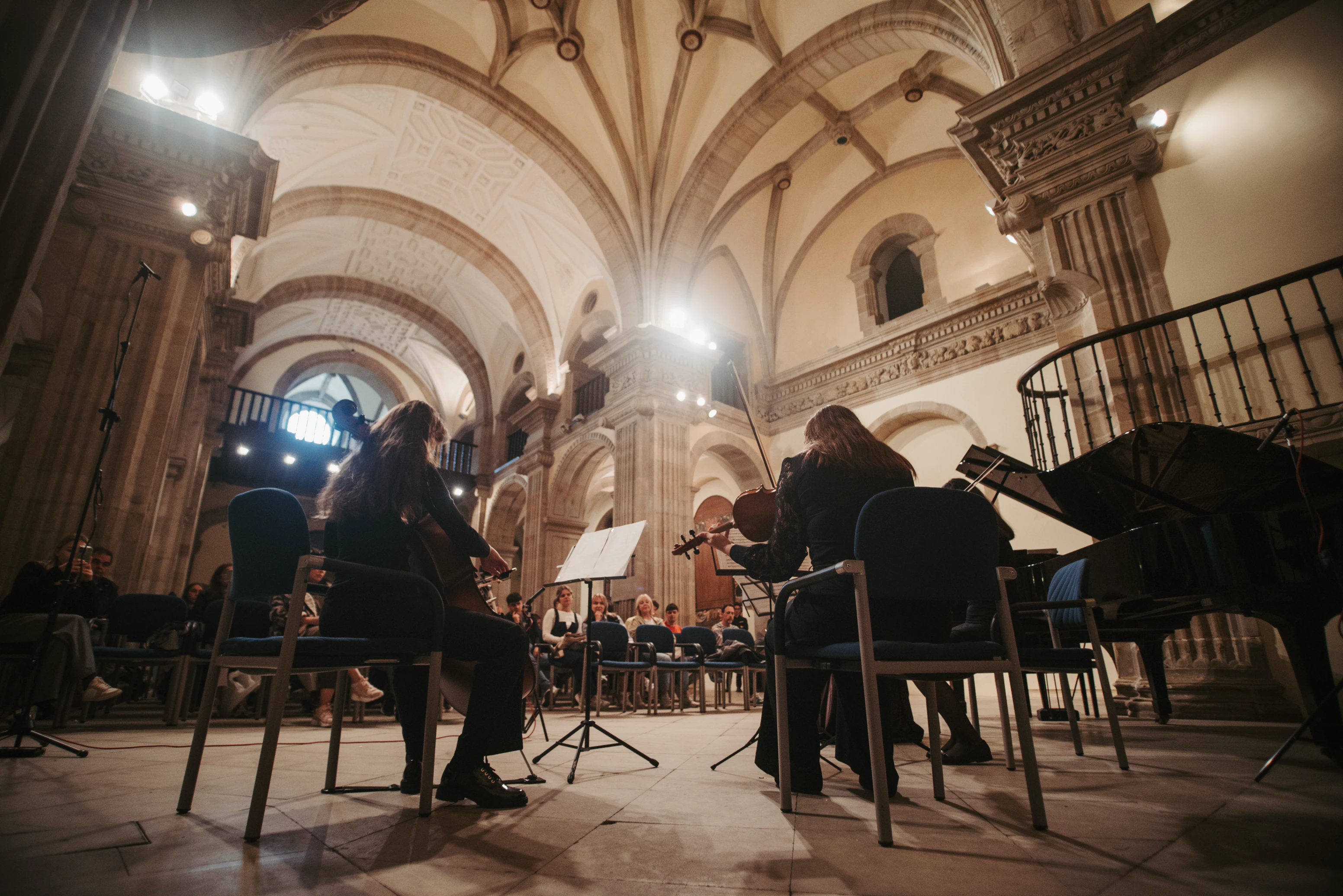
The musical programme features works by Brahms, Haydn, Mozart, Schubert, Hindemith, as well as contemporary Ukrainian compositions. How was this repertoire selected, and what message does it convey?
The repertoire bridges the classical European heritage with the modern Ukrainian identity. We aimed to highlight Ukrainian musical culture as an integral part of the broader European tradition.
The young Ukrainian musicians performed some of the most iconic works in the classical repertoire—pieces essential to the artistic growth of any professional musician. These works not only develop technical mastery and stylistic nuance, but also offer a wide emotional spectrum: from the clarity and elegance of Mozart and Haydn, to the emotional depth of Brahms and Schubert, and to the bold modernity of Hindemith. This diversity enriched the programme, allowing participants to explore various musical styles and deepen their artistic expression.
The programme included a music therapy workshop, Music as a Tool for Well-being. What methods were used, and how can music, in general, contribute to emotional recovery?
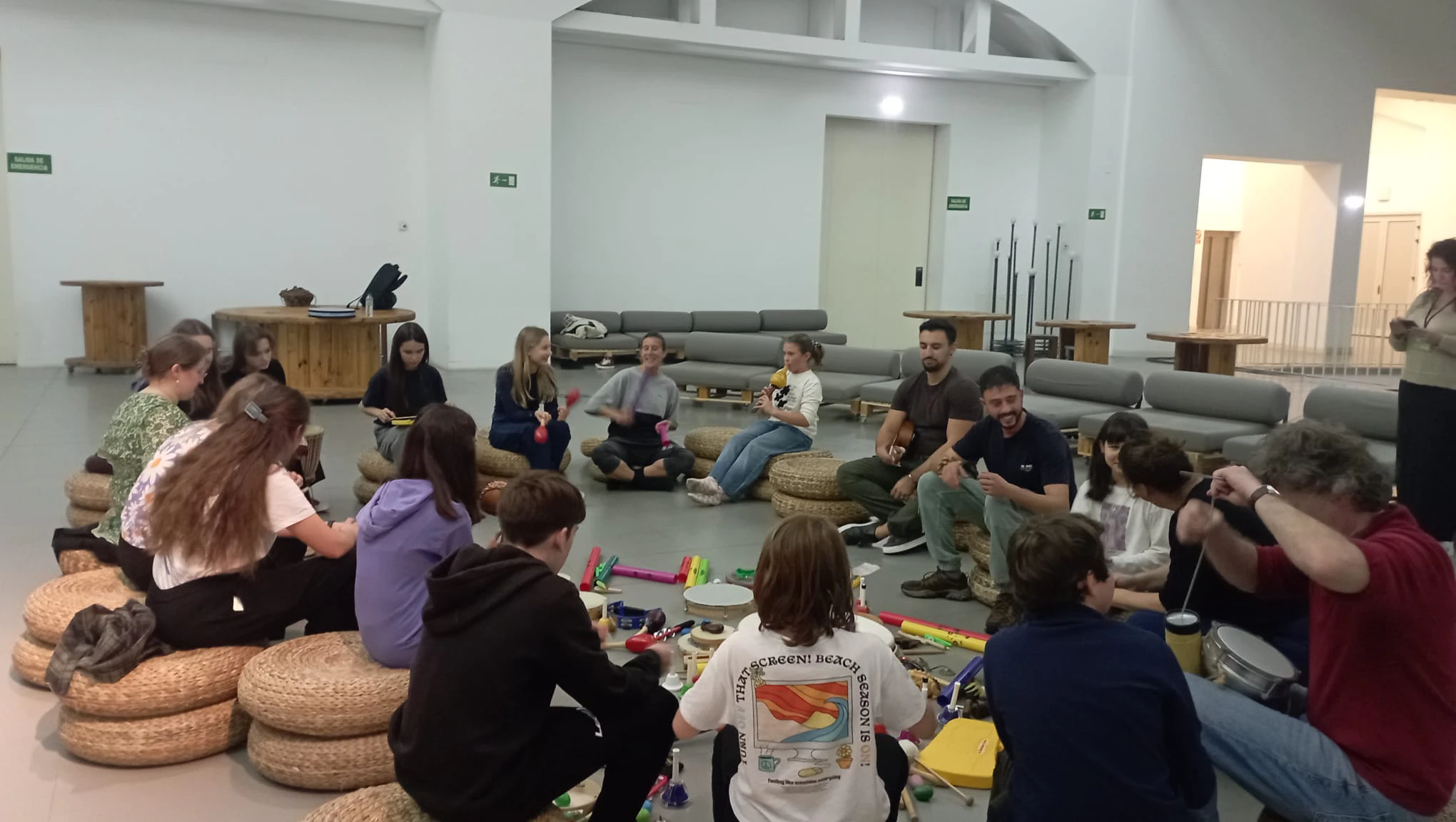
The workshops combined established music therapy techniques with creative activities, enabling participants to explore new forms of artistic expression and emotional release. Methods included guided improvisation, active music-making, and collaborative group exercises designed to build resilience and foster a sense of community.
Significantly, these sessions were held in spaces where such activities had never taken place before, including a fine arts museum and an industrial artistic creation venue. This unique context not only enhanced the experience, but also underscored the transformative power of music in diverse cultural and creative settings.
What long-term psychological and emotional impact do you think this project will have on young Ukrainian musicians?
The project has the potential to create a lasting psychological and emotional impact by fostering resilience, empowerment, and hope among young musicians. Through their participation, they not only developed their musical skills but also gained a renewed sense of self-confidence and artistic identity. The programme offered them new perspectives for the future, revealing opportunities for international collaboration, professional growth, and artistic expression beyond the immediate challenges of war.
Music transcends borders and politics, creating a shared language of understanding.
Do you believe that music can contribute to peacebuilding on an international level? If so, how?
Absolutely. Music transcends borders and politics, creating a shared language of understanding. Projects like this help to build empathy, foster intercultural connections, and highlight the human dimension of conflict, encouraging solidarity and cooperation. Moreover, through music, contemporary composers bear witness against war and violence, preserving the memory for future generations.
How did you start working with IZOLYATSIA, Trans Europe Halles, and Malý Berlín, and what role do they play in the project’s implementation?
The partners involved in the YsOU Chamber Music Lab project were already connected through previous initiatives and collaborations in the fields of arts, culture, and social impact. When this particular call for projects was announced, it immediately caught their attention, as it aligned perfectly with their missions and objectives.
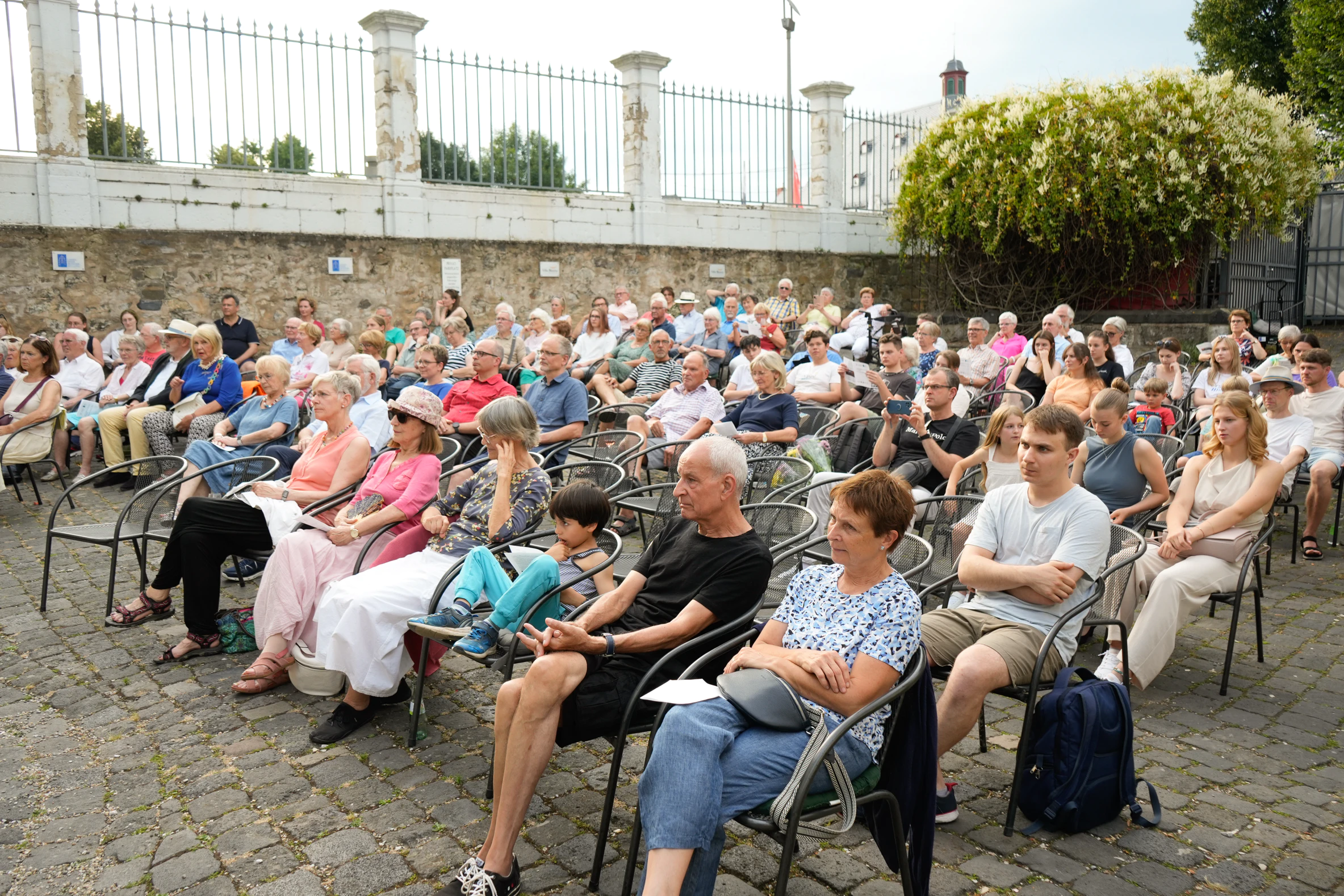
How have the European audiences responded to the performances by the Youth Symphony Orchestra of Ukraine? Have you noticed any shifts in perception toward Ukrainian culture through these concerts?
The response has been overwhelmingly positive. Many audience members have expressed deep emotional reactions and a newfound appreciation for Ukrainian music.
What key skills and experiences do you think the young musicians have gained from this programme?
They gained technical and interpretative skills, as well as resilience and emotional expression through masterclasses and music therapy. The project fostered cross-cultural collaboration, leadership, and teamwork, offering a unique opportunity to connect, make music together, and explore new professional paths.
How do you evaluate the success of the YsOU Chamber Music Lab? Do you see a future for this project? Could it expand to include more countries or different artistic formats?
The project has been a success both in terms of artistic achievement and its personal impact on the participants. We aim to continue and expand it—possibly including more countries, new artistic disciplines, and longer-term collaborations.
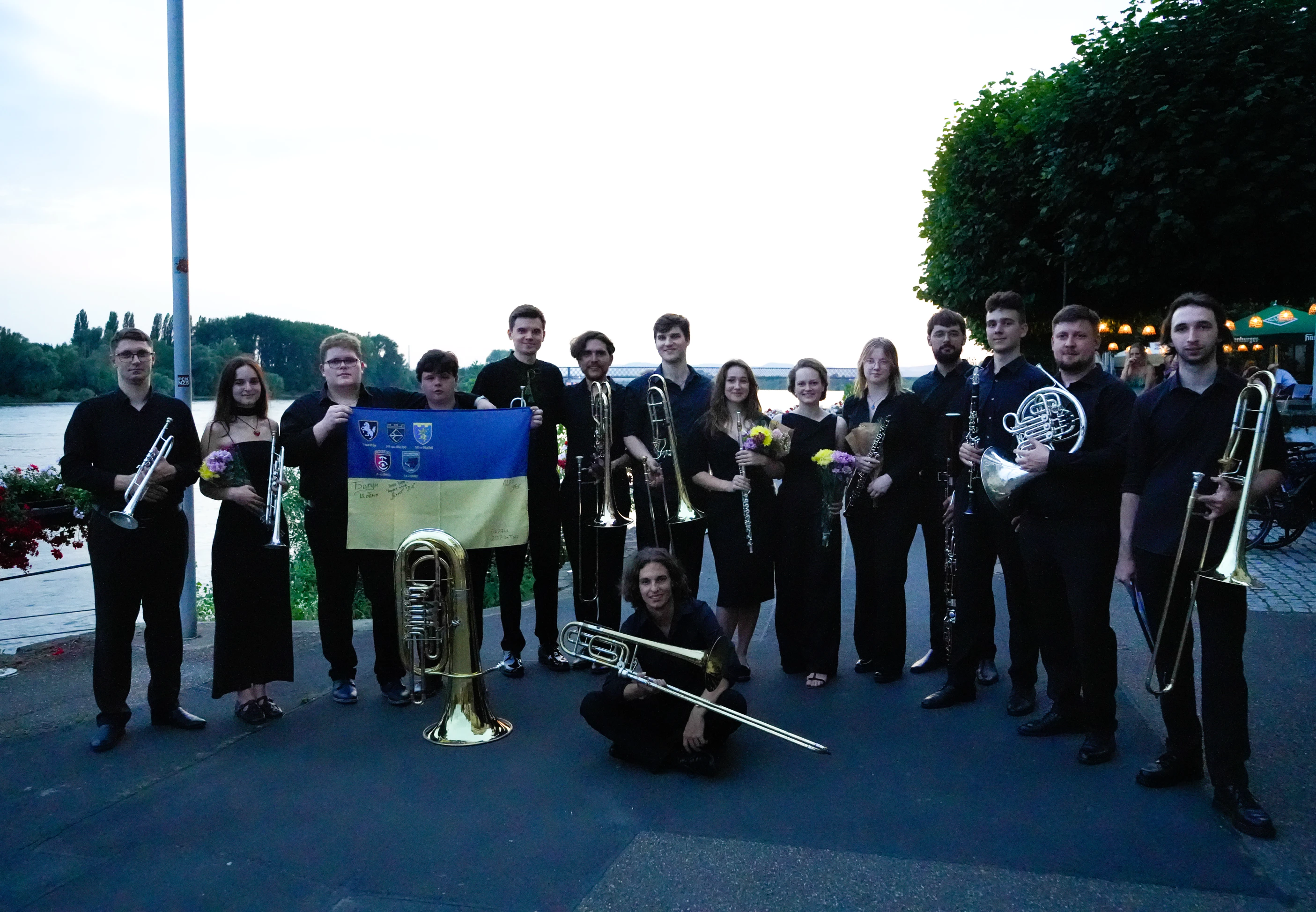
If you could convey just one key message through this project, what would it be?
Music is a powerful force for healing, unity, and dialogue.
Author: Mariia Akhromieieva
ZMINA: Rebuilding is a project co-funded by the EU Creative Europe Programme under a dedicated call for proposals to support Ukrainian displaced people and the Ukrainian Cultural and Creative Sectors. The project is a cooperation between IZOLYATSIA (UA), Trans Europe Halles (SE) and Malý Berlín (SK).